
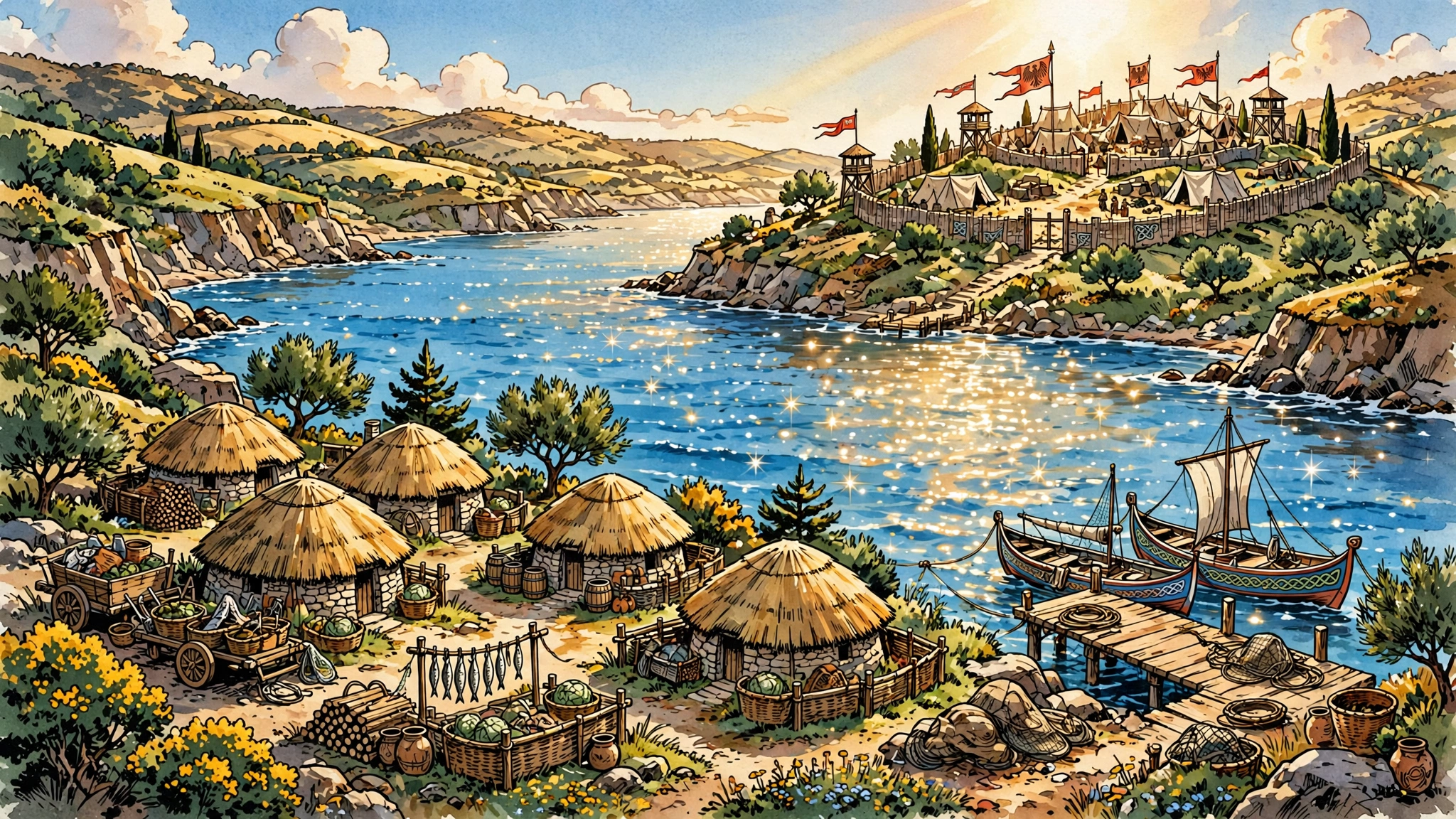
Asterix in Lusitania is the 41st album in the Asterix series, and it sends the indomitable Gauls on their 25th journey beyond their village, this time to ancient Portugal. Written by Fabcaro and drawn by Didier Conrad, the album was published in the UK on October 23, 2025, by Sphere, with the American English edition following from Papercutz on October 28, 2025. It is the second Asterix album written by Fabcaro and the seventh drawn by Conrad, and it arrived with a reported global first print run of five million copies across 19 languages.
For a series created more than seventy years ago by René Goscinny and Albert Uderzo, that scale of launch is remarkable. Asterix remains one of the best-selling comic series in the world, and each new album is a publishing event. Lusitania, the Roman name for the territory that is now Portugal, gives the creators a fresh corner of the ancient world to play with, and the book leans into the joke that has powered the series since the beginning: one small village holding out against the might of Rome.
What Is Asterix in Lusitania About?
The story opens on a beautiful spring morning in the Gaulish village, when a stranger appears. The visitor is a Portuguese character returning from the 1971 album, and he has come to ask Asterix and Obelix for help: the Romans are besieging his corner of the Iberian peninsula, and the village needs allies.
The setting is 44 years before the birth of Jesus Christ, when Rome under Julius Caesar has conquered much of the known world, including all of France except for Asterix’s holdout hometown. The premise follows the classic Asterix formula — a journey, a people under Roman pressure, and the Gauls arriving with their magic potion — but the Portuguese setting gives it a distinct flavour. Lusitania was a real Roman province, and the album plays with the history and culture of the region while keeping the tone light and funny.
Without spoiling the plot, the book delivers what long-time readers expect: Obelix’s appetite, the pirates, the village brawls, and the Romans getting more than they bargained for. It also includes a celebrity cameo — comedian Ricky Gervais appears as a Roman soldier, a casting choice the creators have discussed in interviews around the launch.
The Creators: Fabcaro and Didier Conrad
Fabrice Caro, known as Fabcaro, took over writing duties on the series with Asterix and the White Iris in 2023, and Asterix in Lusitania is his second album. His approach keeps the series’ classic humour while adding a modern, slightly absurdist edge. The White Iris was widely praised as one of the strongest recent albums, and Lusitania builds on that momentum.
Didier Conrad has drawn the series since 2012, and this is his seventh album. His art stays faithful to Uderzo’s style while giving the characters a crisp, contemporary energy. The Portuguese landscapes, the sea, and the Roman camps are rendered with the same care as the village scenes, and the visual gags — a hallmark of the series — land throughout.
The two creators have spoken about the research behind the book, including a promotional strip presented in the style of an Instagram feed, teasing the story before release.
Release Dates and Editions
Readers looking for the book should know the key details:
- French edition: October 23, 2025, from Les Éditions Albert René
- UK edition: October 23, 2025, from Sphere (Little, Brown), hardback, ISBN 9781408724996
- US and Canada edition: October 28, 2025, from Papercutz, in American English
- Translation: English translation by Adriana Hunter
- Languages: published simultaneously in 19 languages and dialects
The simultaneous release in 19 languages is part of the Asterix tradition, and it is why the album was one of the biggest comic launches of the year, competing with Dog Man for the title of best-selling comic book in the world in its launch window.
Where Does Lusitania Fit in the Asterix Series?
Asterix in Lusitania is the 41st album, following Asterix and the White Iris. It is a self-contained story, so new readers can start here without having read the previous forty albums. The recurring jokes — the magic potion, the fishmonger, the bard — are explained by context, and the book works as a standalone adventure.
That said, readers who know the series will get more from it. The returning Portuguese character is a callback to a 1971 album, and the book is full of the small references that reward long-time fans. It is the kind of album that works on two levels: a fun adventure for a first-time reader, and a richer experience for someone who has followed the Gauls for years.
Who Should Read Asterix in Lusitania?
This album is a strong fit for several kinds of readers:
- Long-time Asterix fans who have followed Fabcaro and Conrad’s run and want the latest chapter.
- New readers curious about the world’s most famous Gauls — this is an easy, self-contained entry point.
- Readers who love travel adventures in comics, with a new corner of the ancient world to explore.
- Families looking for a funny, all-ages graphic novel to share.
At a time when many long-running series struggle to stay fresh, Asterix keeps finding new places to go. Lusitania is a confident, funny addition to the series, and a reminder of why the little Gaulish village has endured for more than seventy years.
The Verdict
Asterix in Lusitania does exactly what a new Asterix album should do: it takes the heroes somewhere new, gives them a good reason to go, and tells the story with warmth and wit. Fabcaro’s writing and Conrad’s art are a settled, confident partnership by now, and the Portuguese setting gives them plenty to play with. Whether you are a lifelong fan or a first-time reader, this is one of the most accessible and enjoyable recent entries in the series, and an easy recommendation for anyone looking for a funny, beautifully drawn graphic novel.



Leave a Reply